

Perimenopause & Menopause Skin Care: How Your Skin Changes and What It Needs

If your skin suddenly feels drier, more sensitive, less firm, or even more prone to breakouts, changing hormones may be playing a role. The skin changes associated with menopause often begin during perimenopause (which often starts in your late 30s or 40s), as fluctuating and declining estrogen levels affect collagen production, hydration, natural oil production, and the skin barrier. Just as your body evolves during this stage of life, your skin care routine will too. The goal isn't to make your skin look younger, but to understand what it needs now, and help keep it healthy, resilient, and radiant through perimenopause, menopause, and beyond.
How Does Your Skin Change During Perimenopause And Menopause?
Estrogen plays an important role in skin, and as estrogen levels decrease during perimenopause and menopause, your skin will change. You may see:
- Increased dryness and dehydration: Your skin is producing less sebum, and having a harder time retaining moisture.
- Loss of firmness and elasticity: Changes in collagen and elastin become more noticeable.
- More fine lines and wrinkles: Some of these symptoms are related to collagen loss, and increased dryness, some are due to cumulative environmental exposure.
- Increased sensitivity: A compromised or changing barrier can make products that were previously fine suddenly feel irritating.
- Increased redness and flushing: with hot flashes being a frequent symptom of perimenopause and menopause, this often translates into rosacea flareups.
- Changes in pigmentation: Years of cumulative UV exposure plus hormonal influences may make discoloration more noticeable.
- Breakouts: Perimenopausal skin can be simultaneously drier and breaking out, which really doesn't seem fair!
- Slower recovery: Skin may take longer to recover from irritation or procedures.
How To Change Your Skincare Routine During Menopause
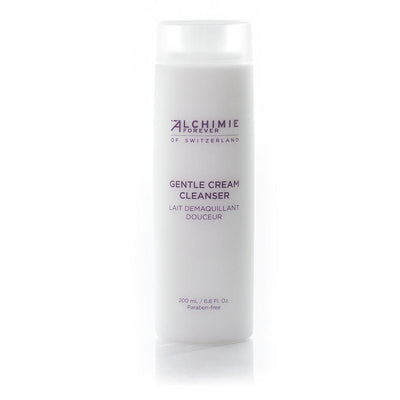
- Switch to a gentler cleanser to avoid stripping the skin and causing added dryness.
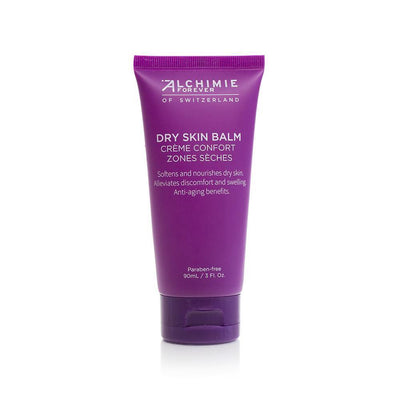
- Prioritize hydration and barrier support. Add a nourishing serum, switch to a heavier moisturizer.
- Adjust your retinol if necessary. Menopause doesn't mean abandoning active ingredients, but your skin tolerance may change.
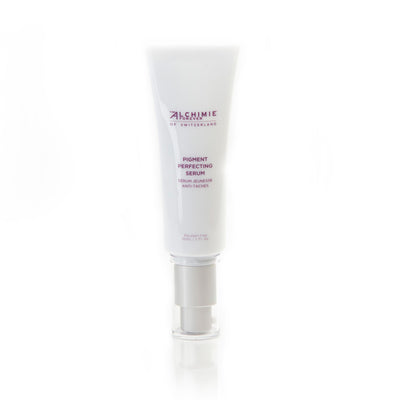
- Treat pigmentation, but gently. You may simultaneously have more visible pigmentation, and more sensitivity, so avoid agressive ingredients.
- Treat flushing and increased redness with calming, soothing, anti-inflammatory products. And avoid sources of heat such as saunas, and hot baths or showers.
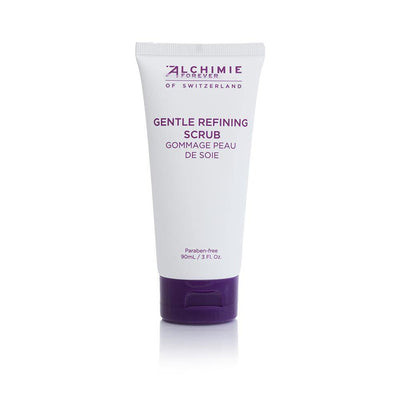
- Exfoliate more thoughtfully. Cell turnover slows down, so exfoliation is even more beneficial, but aggressive exfoliation can worsen dryness and sensitivity.
- Don't forget eyes, neck, chest, and hands. These areas often show changes in skin thickness, so collagen-building and plumping products are key.
Which Ingredients Should You Look For During Perimenopause And Menopause
| Ingredient | Why Menopausal Skin May Benefit |
|---|---|
| Retinol | Supports collagen and improves fine lines and texture |
| Hyaluronic acid | Helps attract and retain hydration |
| Antioxidants | Help defend against environmental oxidative stress |
| Vitamin E | Antioxidant and emollient support |
| Jojoba | Helps nourish and soften dry skin |
| Red clover | Antioxidant isoflavones; supports mature skin |
| Gentle exfoliants | Help improve dullness and surface texture |
What Not To Do When Your Skin Changes During Perimenopause And Menopause
Remember, you don't need a ten-step routine. Menopausal skin often benefits more from consistency, hydration, and well-tolerated ingredients than from adding more and more active products.
Also:
- Don't assume every change requires a stronger active.
- Don't over-exfoliate dry or sensitized skin.
- Don't abandon retinol automatically, adjust frequency first.
- Don't neglect sunscreen.
- Don't assume acne means your skin is oily.
- Don't keep using a routine that no longer feels good simply because it worked for years.
Perimenopause and menopause bring real changes to the skin, but they don't require an entirely new philosophy of skin care. The fundamentals remain the same: protect, hydrate, nourish, and treat your individual concerns with ingredients your skin tolerates well. What may change is the amount of hydration your skin needs, the frequency of your active ingredients, and the textures that feel best.
Most importantly, listen to your skin. The routine that worked beautifully at 35 may need adjusting at 45 or 55, and that's exactly what skin care should do: evolve with you.