

What Is Inflammaging? How Chronic Inflammation Affects Skin Aging

Inflammation + aging = inflammaging, a term that perfectly expresses the connection between chronic, low-grade inflammation and the aging process in our bodies—and in our skin.
Inflammation is essential to our health: it is part of the body’s natural immune response and helps us recover from injury and defend against infection. But inflammation can become problematic when it is chronic and low-grade. Scientists use the term “inflammaging” to describe the persistent, low-level inflammation associated with the aging process. In the skin, chronic inflammation, oxidative stress, and cellular aging are interconnected processes that can contribute to changes in collagen, elasticity, skin barrier function, and the visible signs of aging. Understanding inflammaging helps explain why calming inflammation has been at the heart of Alchimie Forever’s skincare philosophy from the very beginning.
What Is Inflammation, And When Does It Become a Problem?
Acute inflammation: short-term and necessary, acute inflammation is part of our body's normal healing and immune response. When something stresses or injures the body, inflammation helps recruit repair mechanisms and immune cells to the affected area. The familiar signs—such as heat, redness, and swelling—are part of this protective response.
Chronic inflammation: Unlike acute inflammation, chronic inflammation involves persistent, low-grade inflammatory activity that can contribute to tissue changes over time. In the skin, chronic inflammation and oxidative stress are closely interconnected and can contribute to changes in collagen, elasticity, barrier function, and other processes associated with visible skin aging.
What Causes Inflammation In The Skin?
Skin inflammation can be influenced by both internal and external factors, including:
- UV exposure
- pollution/environmental stressors
- cigarette smoke
- oxidative stress
- repeated irritation or barrier disruption
- certain inflammatory skin conditions
- intrinsic aging itself
How Does Inflammation Affect The Skin?
Chronic, low-grade inflammation and oxidative stress can influence many of the biological processes involved in skin aging. Over time, these interconnected processes may contribute to changes in collagen and elastin, slower skin recovery, changes in barrier function, uneven pigmentation, and the appearance of fine lines and wrinkles. UV exposure can further amplify oxidative stress and inflammatory signaling, which is one reason daily sun protection is so important for healthy skin aging.
How To Lead An Anti-Inflammatory Lifestyle?
Favor a balanced, antioxidant-rich diet. A diet rich in fruits, vegetables, healthy fats, and other nutrient-dense foods supports overall health. Limit consumption of highly refined carbohydrates and sugars, including in alcohol. Read more about this on Ada Polla’s Substack.
Prioritize consistent, restorative sleep.
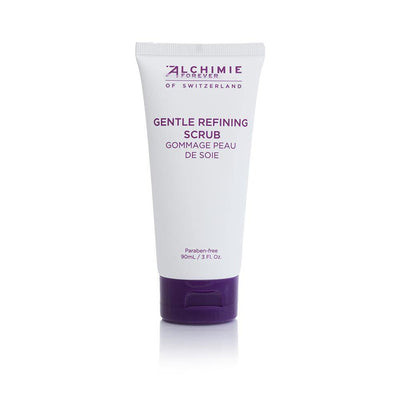
Avoid unnecessary skin irritation. Over-exfoliation, overly aggressive treatments, or using too many strong actives at once can compromise the skin barrier and contribute to irritation.
Wear broad-spectrum SPF daily.
Do not smoke.
How To Build An Anti-Inflammatory Skincare Routine
1. Protect Against UV Exposure: Daily broad-spectrum SPF.
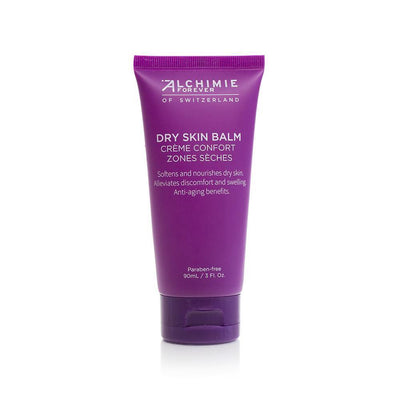
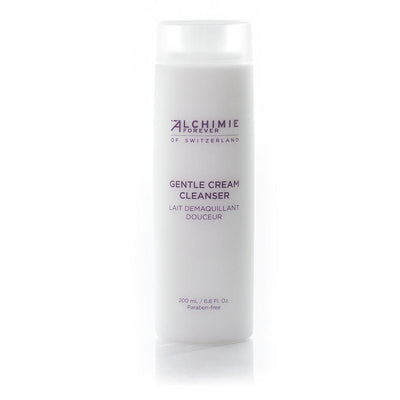
2. Support The Skin Barrier: Gentle cleansing + adequate hydration.
3. Use Antioxidants: Antioxidants help defend against oxidative stress - look for blueberries, green tea, rosemary, grape extract, and more.
4. Avoid Unnecessary Irritation: Don't over-exfoliate or pile on strong actives simply because stronger feels more effective.
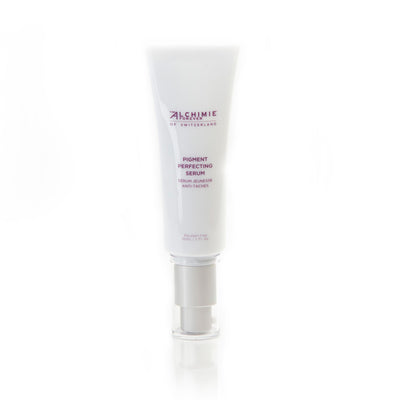
5. Use Well-Tolerated Targeted Treatments: Retinol, pigmentation ingredients, and actives - always balanced with hydration and barrier support.
At Alchimie Forever, we believe effective skincare should help promote a calm, healthy complexion. Understanding inflammaging reinforces the philosophy that has guided us from the beginning: protect the skin, support its barrier, defend against oxidative stress, and avoid unnecessary irritation. We can't stop the aging process—and we don't want to. The goal is to help our skin age as healthfully and beautifully as possible.